Commission on Legal Pluralism


In Memoriam Franz von Benda-Beckmann (1941-2013)


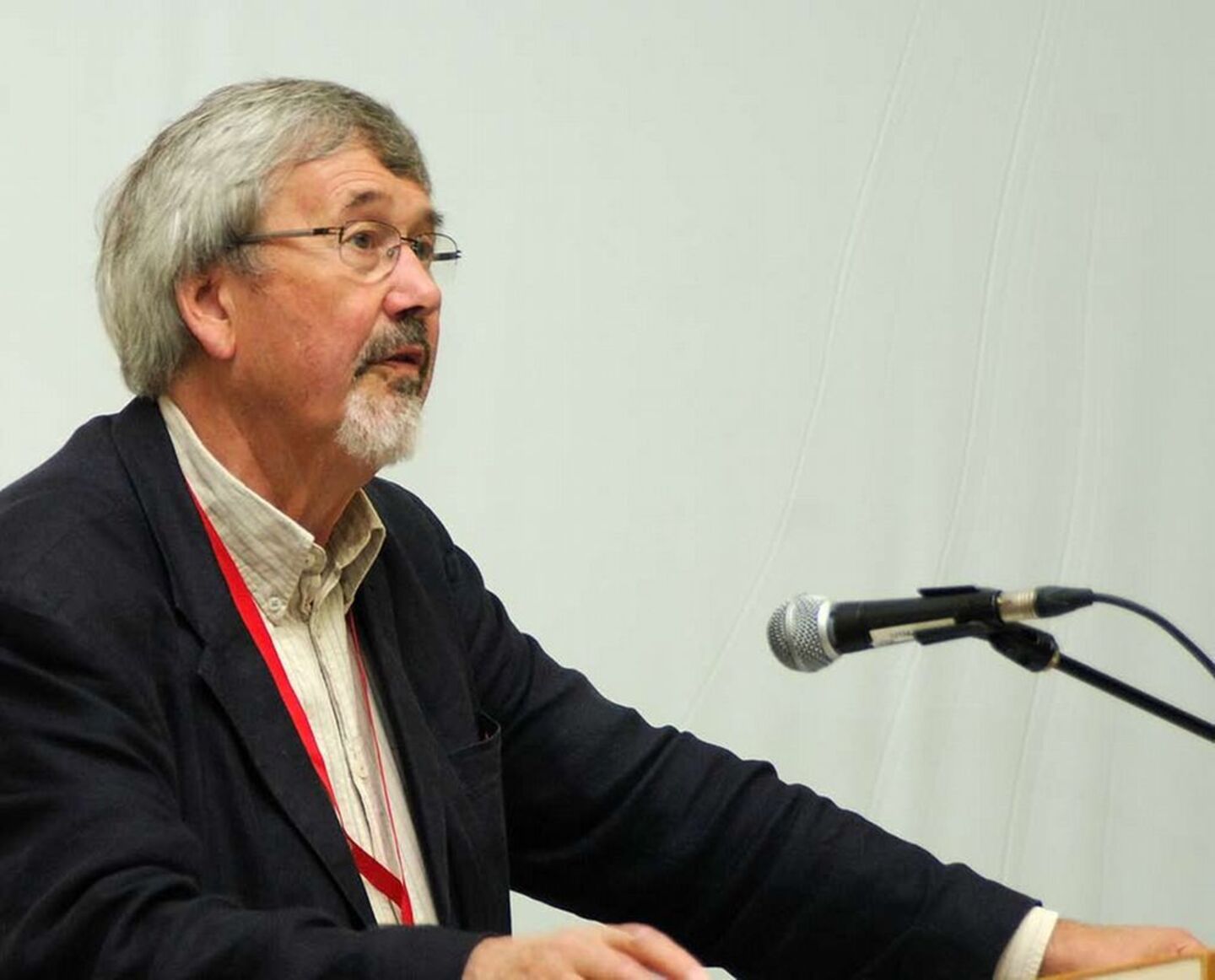
Franz von Benda-Beckmann died unexpectedly in Amsterdam on 7 January 2013. His death is a great loss to those of us in the legal anthropology community.

He was one of the most influential international scholars in the field of legal anthropology and was an early member and long-time supporter of the Commission on Legal Pluralism. During his prolific career, he produced 29 edited books and volumes, and more than 266 articles, reviews, commentaries and invited lectures. Many of these were coauthored with his wife, Keebet von Benda-Beckmann, also a prolific scholar. He wrote and co-edited several books on issues of property rights, social (in)security, and legal pluralism in developing countries and on legal anthropological theory. Recent influential volumes include: with Keebet von Benda-Beckmann and Julia Eckert “Rules of Law and Laws of Ruling” (Ashgate 2009); with Keebet von Benda-Beckmann and Anne Griffiths “Spatializing Law” (Ashgate 2009); with Keebet von Benda-Beckmann and Anne Griffiths “The Power of Law in a Transnational World” (Berghahn 2009); with Keebet von Benda-Beckmann and Melanie G. Wiber “Changing Properties of Property” (Berghahn 2006); with Keebet von Benda-Beckmann, “Social Security between Past and Future: Ambonese Networks of Care and Support” (LIT Verlag 2007). He was a wonderful mentor and the thesis supervisor of many leading scholars in legal anthropology, particularly in the expanding field of legal pluralism.

Career

Franz was born in 1941 and educated in the Gynmasium in Kiel.  After leaving school he studied law in Munich, Lausanne, and Kiel. After obtaining his first law degree at the High Court in Schleswig (1967), he went to Malawi for eleven months of field research on legal pluralism. In 1970, he obtained his PhD in law with his dissertation Rechtspluralismus in Malawi: Geschichtliche Entwicklung und heutige Problematik (Legal Pluralism in Malawi: Historical development and contemporary problems) at the University of Kiel. Between 1968 and 1972, he did practical legal training (Referendardienst) and obtained his second law degree at the High Court of Hamburg in 1972. In October 1972, he moved to Zurich together with his wife, Keebet von Benda-Beckmann, born Droogleever Fortuijn. He worked as an assistant at the Seminar for Social Anthropology of the University of Zurich. In 1974 and 1975, Keebet and he carried out sixteen months field research in West Sumatra, Indonesia, among the Minangkabau. His research focused on legal pluralism and property and inheritance. On the basis of this research, he obtained his Habilitation in Social Anthropology at the University of Zurich in 1979.

In late 1977 he moved to the Netherlands where he first worked at the University of Leiden, heading a small research institute dealing with law in the former Dutch colonies. In 1981, he was appointed professor for law and rural development in developing countries. In 1985 and 1986, Keebet and he carried out research in the Moluccas on rural social security and resource rights issues under conditions of legal pluralism. In the 1990s, they carried out legal anthropological research training courses for researchers working on water rights and management in India and Nepal, sponsored by the Ford Foundation. They also managed a larger research project on legal complexity, ecological sustainability and social (in)security in Indonesia.

In 2000, Keebet and he moved to Halle to establish and head the project group Legal Pluralism at the Max Planck Institute for Social Anthropology together. In 2002 he was appointed Honorary Professor for Ethnology at the University of Leipzig and in 2004, Honorary Professor for Legal Pluralism at the University of Halle.

He served on many key advisory bodies. These included: the Advisory Council of the Social Science Research Council for the Tropics (1981-1988); the Dutch Steering Group of the Cultural Agreement between the Netherlands and Indonesia (1985-1992); IUAES Commission on Folk Law and Legal Pluralism (1981-2013); Executive Body of the Commission (1995-2013); Chairman of the Dutch-Belgian Association for the Social-Scientific Study of Law (1987-1999); the General Board of the Royal Institute for Anthropology and Linguistics, Leiden (1980s-1990s). He also served as associate editor for the Journal of Legal Pluralism, and on the Advisory Board for Law, Social Justice and Global Development (electronic law journal, Warwick University); Journal of REaD (Resources, Energy, and Development), New Delhi; the Australian Journal of Asian Law; the International Journal of Law in Context; Consulting editor of FOCAAL, European Journal of Social Anthropology.

Together with Keebet, Franz was part of the group that established the Commission on Legal Pluralism.  They have remained involved in various capacities up to the present day. Franz’ ideas, suggestions and energy will be missed sorely in the Commission, whereas to many individual members his loss is that of a good friend.


Update: call for panel and paper proposals

The call for panels for the 2013 Commission on Legal Pluralism (CLP) conference is closed.
This conference is organized in conjunction with the IUAES Congress entitled ‘Evolving Humanity, Emerging Worlds’ in Manchester (UK), and will take place on August 5-10, 2013 (see http ://www . iuaes2013 . org/).

The Commission is hosting 19 panels, abstracts of which can be seen on the IUAES conference page here. Note that the panels of the Commission on Legal Pluralism are clustered (but not exclusively) from G29 to G54.
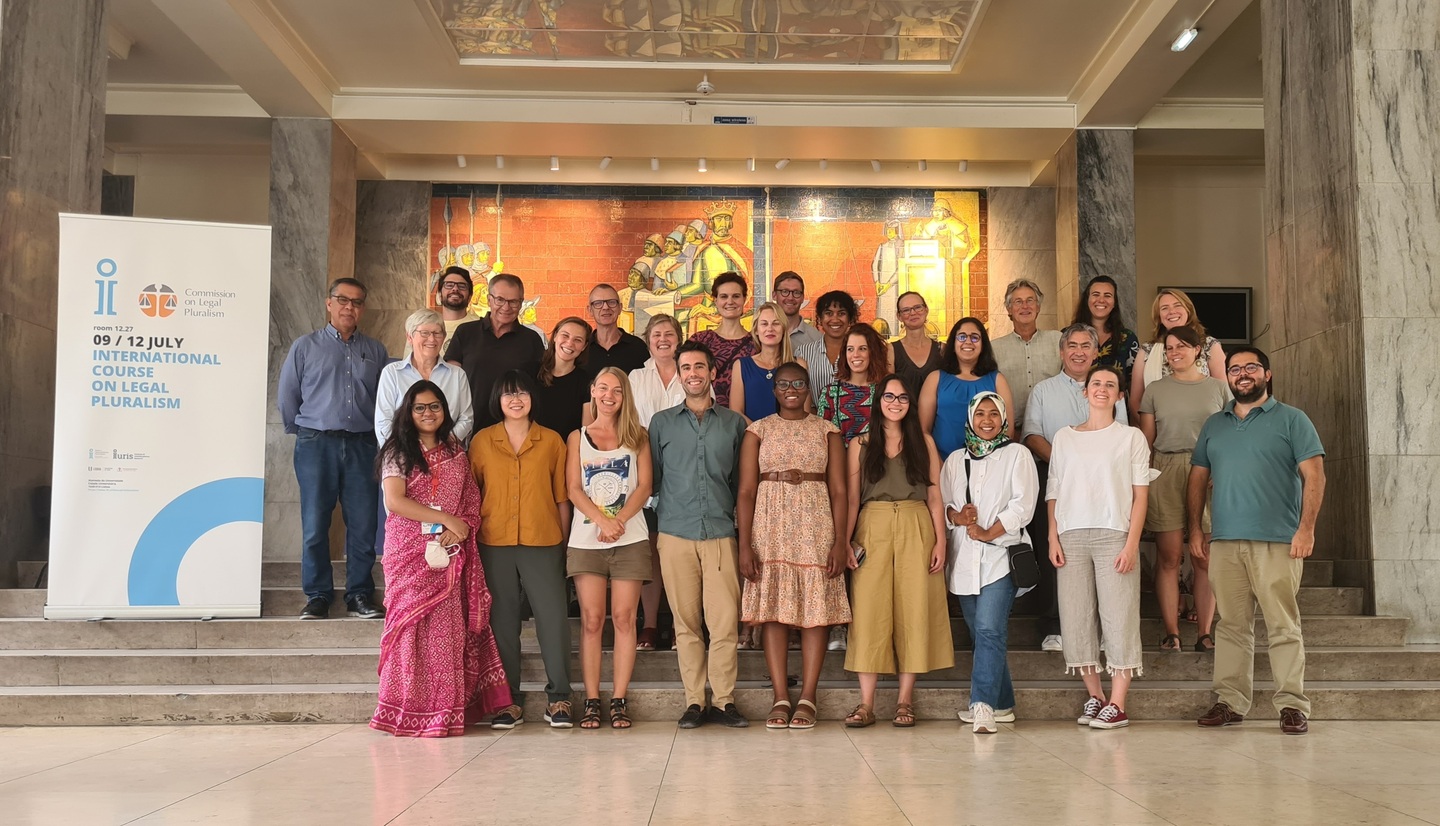
We look forward to seeing your wonderful set of ideas, and to meeting again shortly in Manchester.


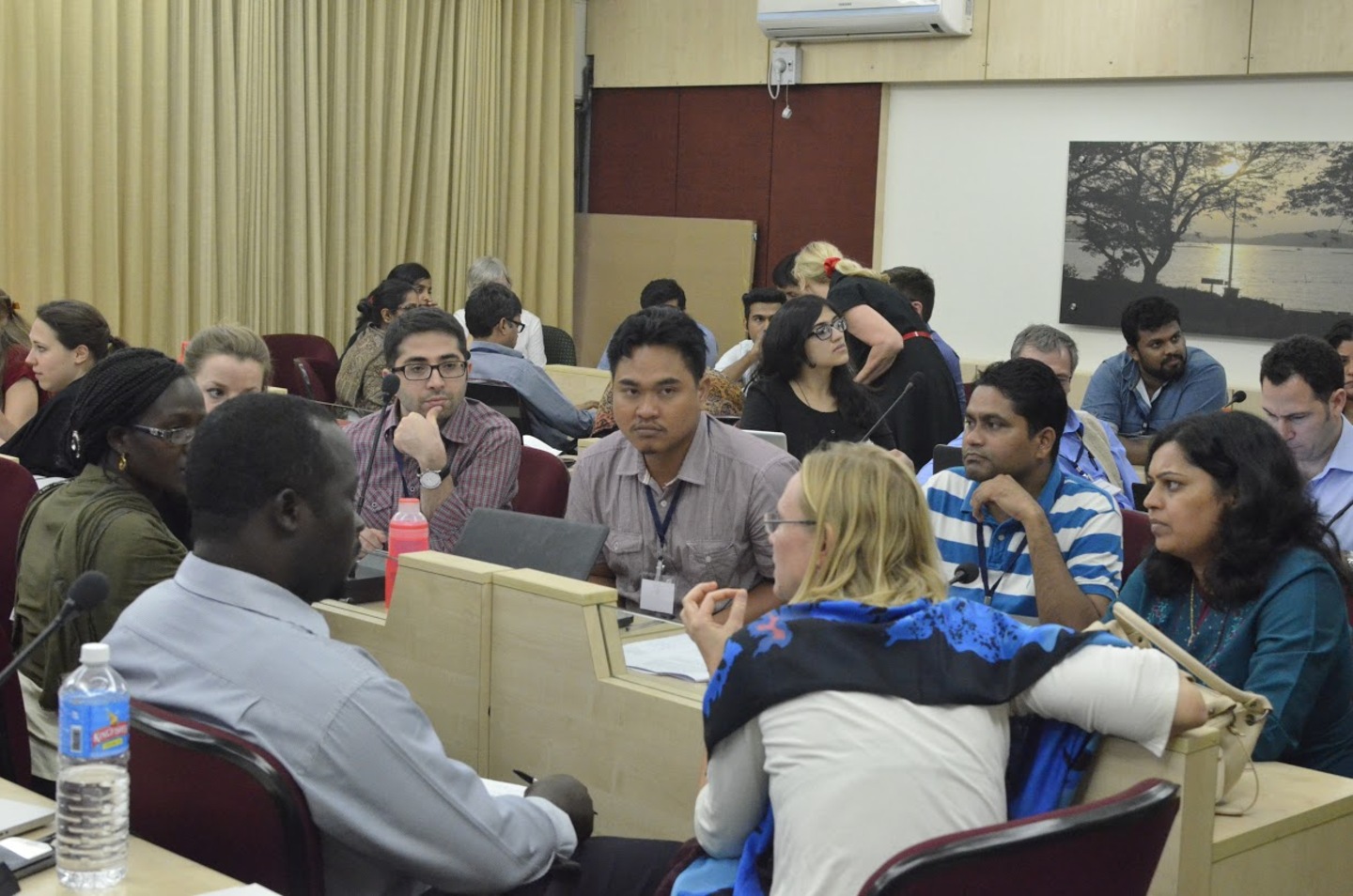
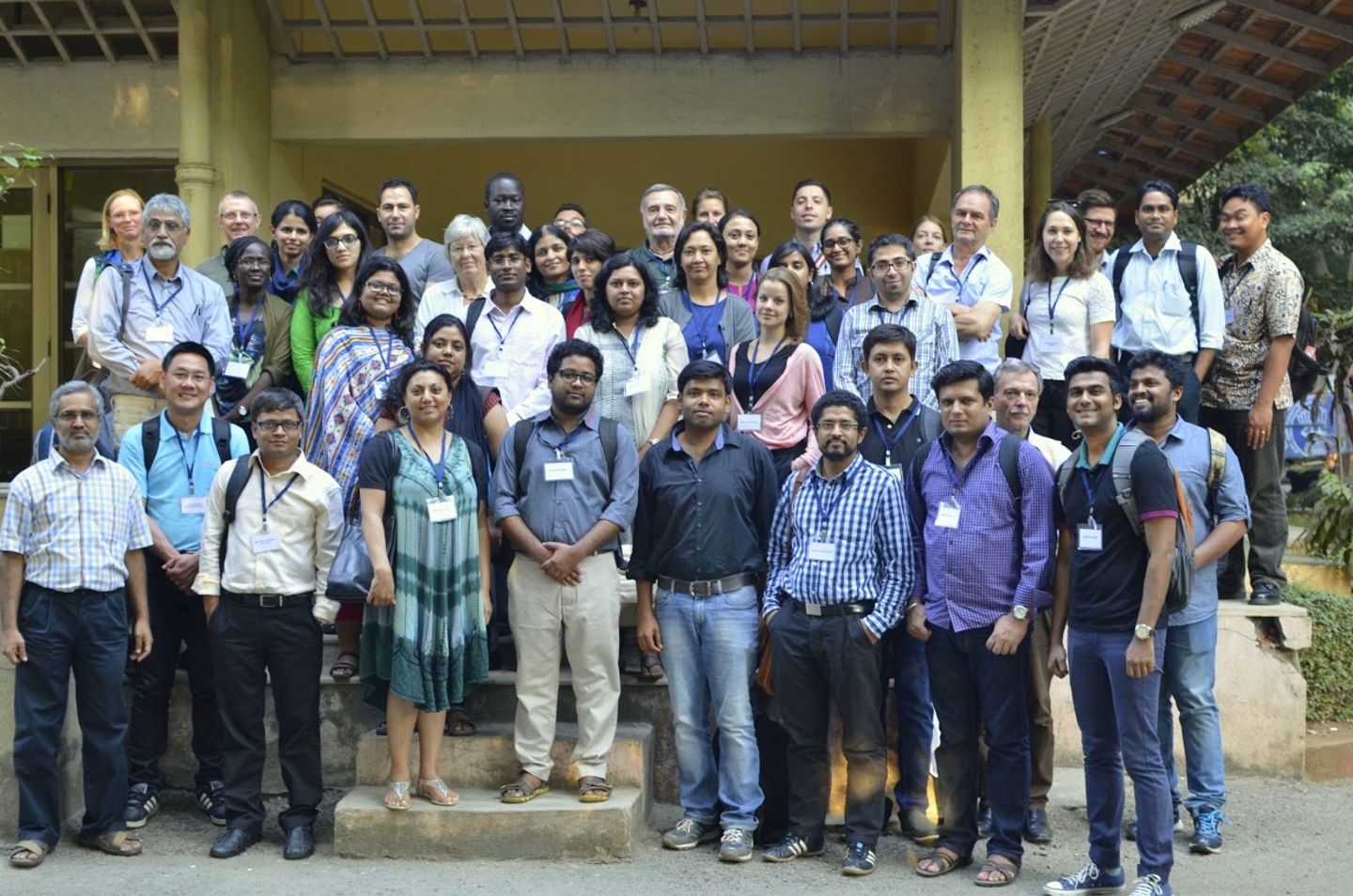
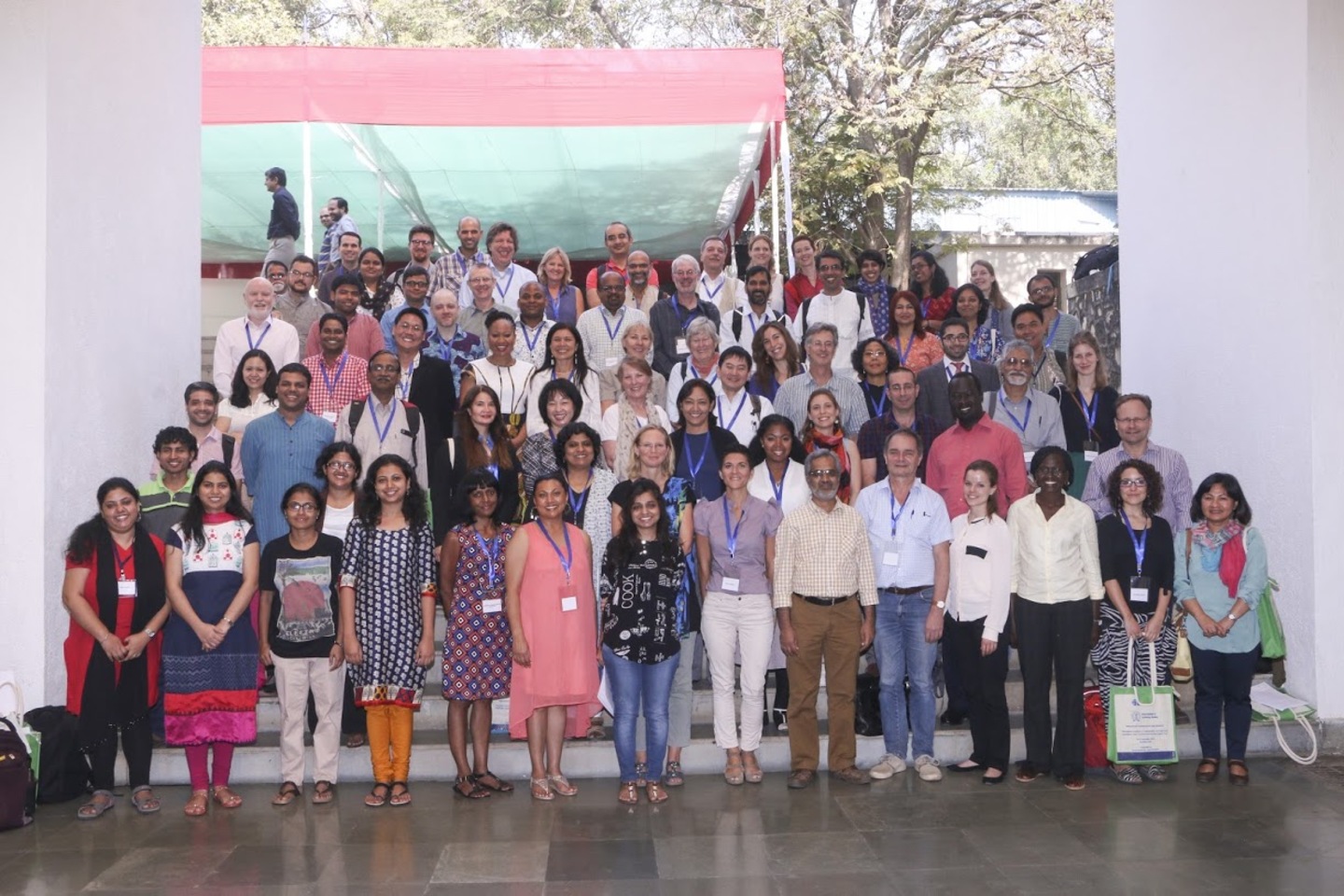
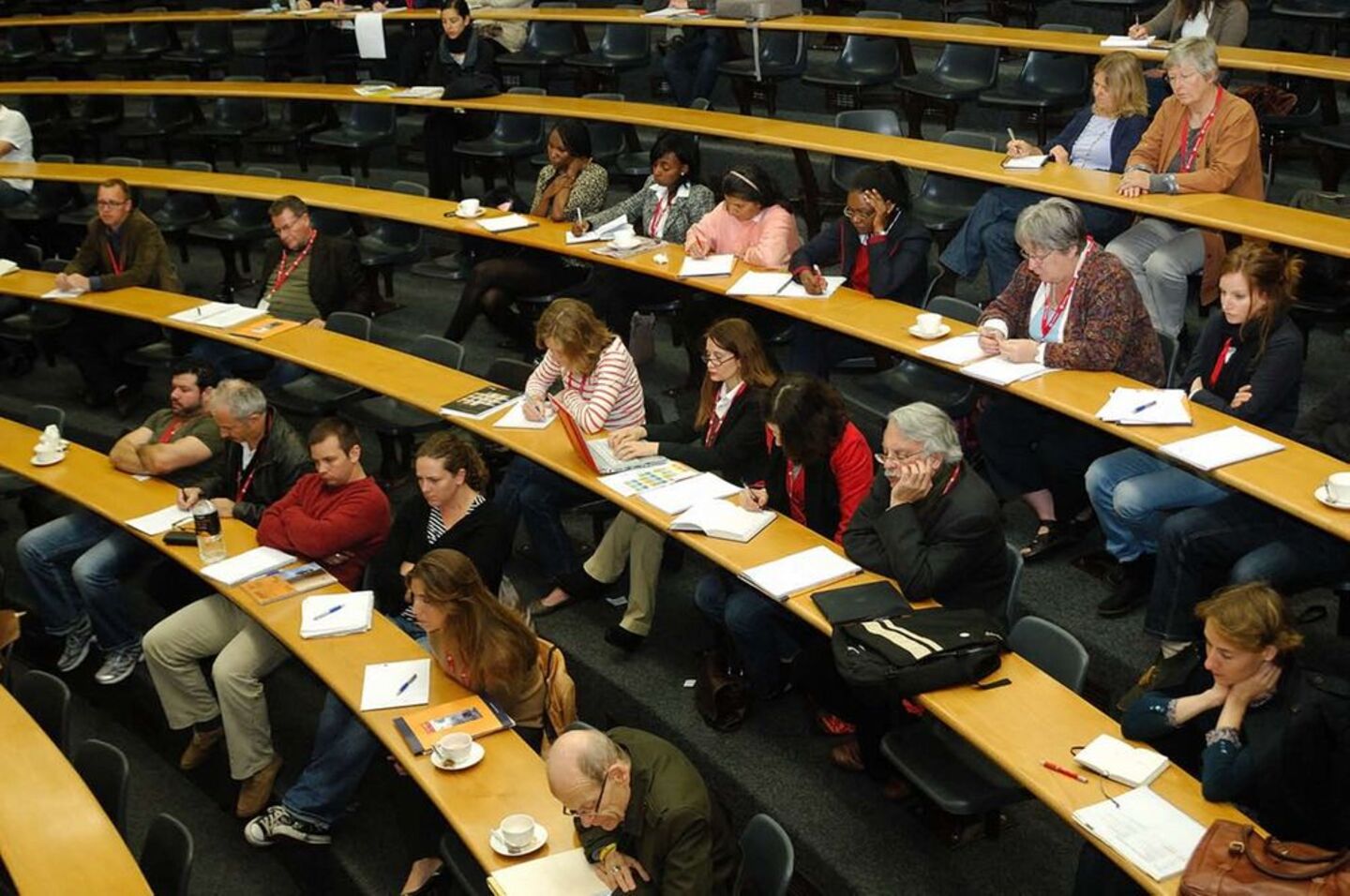
Participants at the 2011 conferene in Cape Town, South Africa


 The Commission on Legal Pluralism at the Manchester Conference 2013

download the full text of the call that was sent out here.

Over the last decade 'legal pluralism' has become a buzzword. In various areas of legal study, ranging from international law to constitutionalism, and in various policy oriented fields - such as the proliferation of rights based movements, politics of cultural diversity or access to justice programs - the concept of legal pluralism has gained momentum. In the process a plurality of legal pluralisms has come about. The Commission on Legal Pluralism - inspired by the theme of the IUAES Congress 'Evolving humanity, emerging worlds', which is normative and analytical at the same time - stands by its 30 year old agenda, which merges the concerns of social anthropology and law in the study of society and in the resolution of social problems. It invites scholars and practitioners to present contemporary work to the 2013 Conference.  There are many topics of classical, yet still urgent concern: these include contestations over property, land and natural resources, gender, human rights, religion, development cooperation, migration, and governance. We urge those who have continued to work in these areas to present their insights and discoveries for debate.
However, our 'emerging worlds' continuously generate further topics of attention. These topics are of two kinds: novel forms of norm-generating capacity and under-researched forms of normative intersection. In such pluralisms the normative interacts with science, technology and knowledge production, with tenets of faith, and the ever changing schemes of profit making, propertization and commodification.  Such areas deserve attention as they also affect our classic fields of research or have developed from there. Whereas much of the scholarly work on legal pluralism has concentrated on rural areas, where folk law is frequently strong, urban space - which now gathers approximately 50% of the world population - has been widely neglected.  So has the study of banking and financial flows, so crucial for economic wellbeing.  Processes of 'securitizing', 'auditizing' and 'responsibilization', which are influencing more and more dimensions of social life, too deserve investigation from the angle of legal pluralism.

In all this we, the Commission, are concerned about who wins and who loses. For humanity - taken in its normative sense - to evolve, scholars and practitioners must gather their forces. We look forward to a conference that catalyzes attention for a sparkling variety of topics and concerns, and serves as a further source of inspiration. 


International Legal Pluralism course 2013 15-04-2013

In August 2013 the Commission on Legal Pluralism will organize a course on Legal Pluralsim preceeding the 17th IUAES conference in Manchester, UK.

Read more >

Inter-Asia Cultural Studies (IACS) Graduate Conference 2013 10-10-2012

Culturl Studies Transcending Borders: Shifting Perspectives in Asia. Singapore, 1-2 July 2013.

Read more >

African Studies Conference call for panel proposals 10-10-2012

The Institute for African Studies of the Russian Academy of Sciences is holding its 13th International African Studies Conference in Moscow, May 27-29, 2014.

Read more >

18th Commonwealth Law Conference 10-10-2012

The 18th Commonwealth Law Conference (CLC2013) will take place in Cape Town, South-Africa from 14-18 April 2013.

Read more >

Australasian Law Reform Agencies (ALRAC) Conference 2012 28-05-2012

Conversations about law reform: sharing knowledge and experience12 – 14 September 2012

Read more >

Report on Amrita Conference 03-05-2012

Report on the conference and workshop on Legal Pluralism in natural resources management at Amrita University, March 30 and 31, 2012

Read more >

Asian Initiative on Legal Pluralism Conference and workshop on L P in Nature Management 08-01-2012

30 and 31 March 2012, Amrita University, Ettimadai, Coimbatore, Tamil Nadu, India

Read more >